

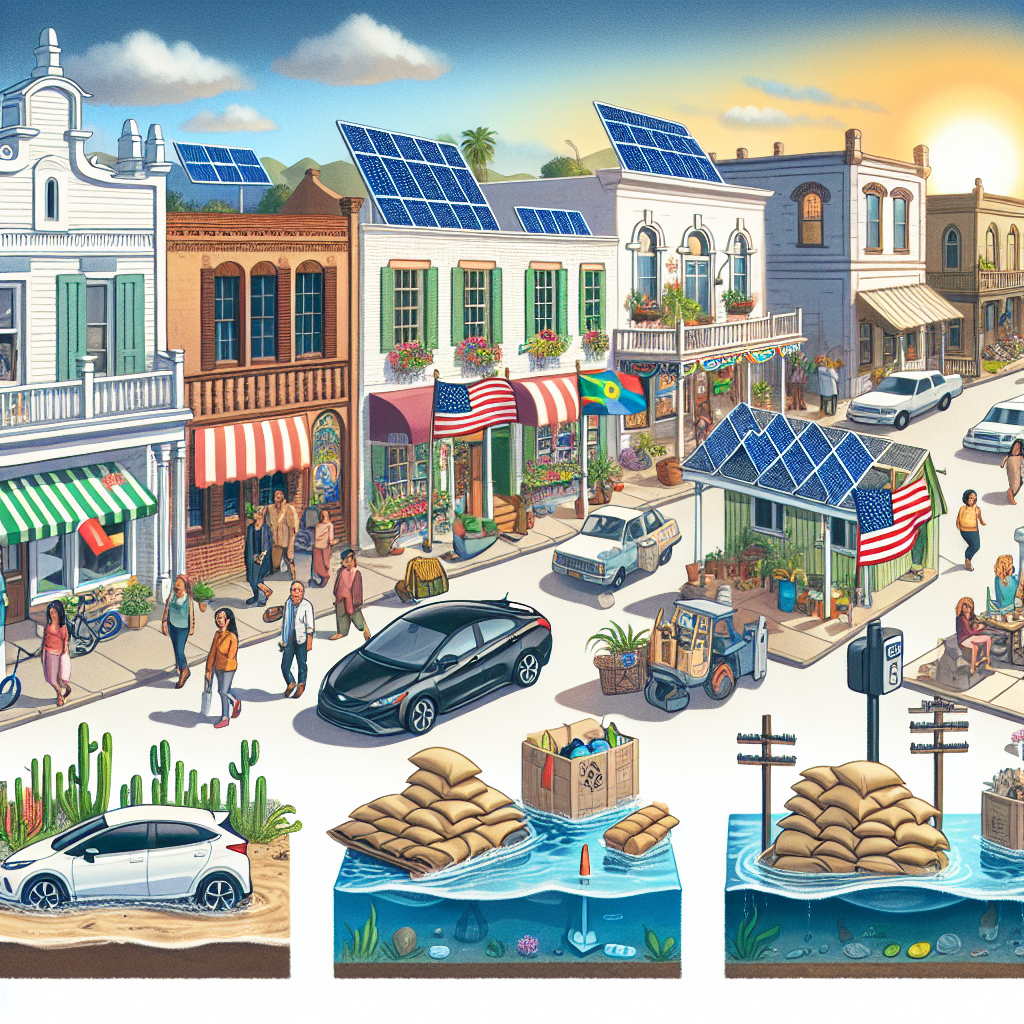
In an increasingly interconnected world, global events and trends have profound effects on small towns across the United States, including Georgetown, Colorado. Understanding these impacts is crucial for communities to adapt and thrive.
Economic Shifts and Remote Work
The rise of remote work has led to an influx of new residents in rural areas, a phenomenon termed ‘Zoom Towns.’ While this migration brings economic opportunities, it also presents challenges such as housing shortages and increased demand for local services. Communities are tasked with balancing growth while maintaining their unique character. Source
Climate Change and Environmental Challenges
Climate change poses significant risks to rural communities. Increased temperatures, droughts, and extreme weather events threaten agriculture, water resources, and infrastructure. Small towns must develop resilience strategies to mitigate these impacts and protect their economies and way of life. Source
Demographic Changes and Cultural Dynamics
Global migration patterns influence the demographic makeup of small towns. Some communities have experienced population declines, while others have seen growth due to refugee resettlement or other factors. These changes can revitalize local economies but may also require adjustments in community services and cultural integration efforts. Source
Infrastructure and Resource Management
Global economic trends affect local infrastructure and resource management. For instance, the Mississippi River, a vital economic corridor, faces challenges from declining infrastructure and environmental pressures. While not directly impacting Georgetown, similar issues can arise in any community reliant on natural resources and transportation networks. Source
Conclusion
Small towns like Georgetown are not isolated from global events. By staying informed and proactive, communities can navigate these challenges and seize opportunities to foster sustainable growth and resilience.